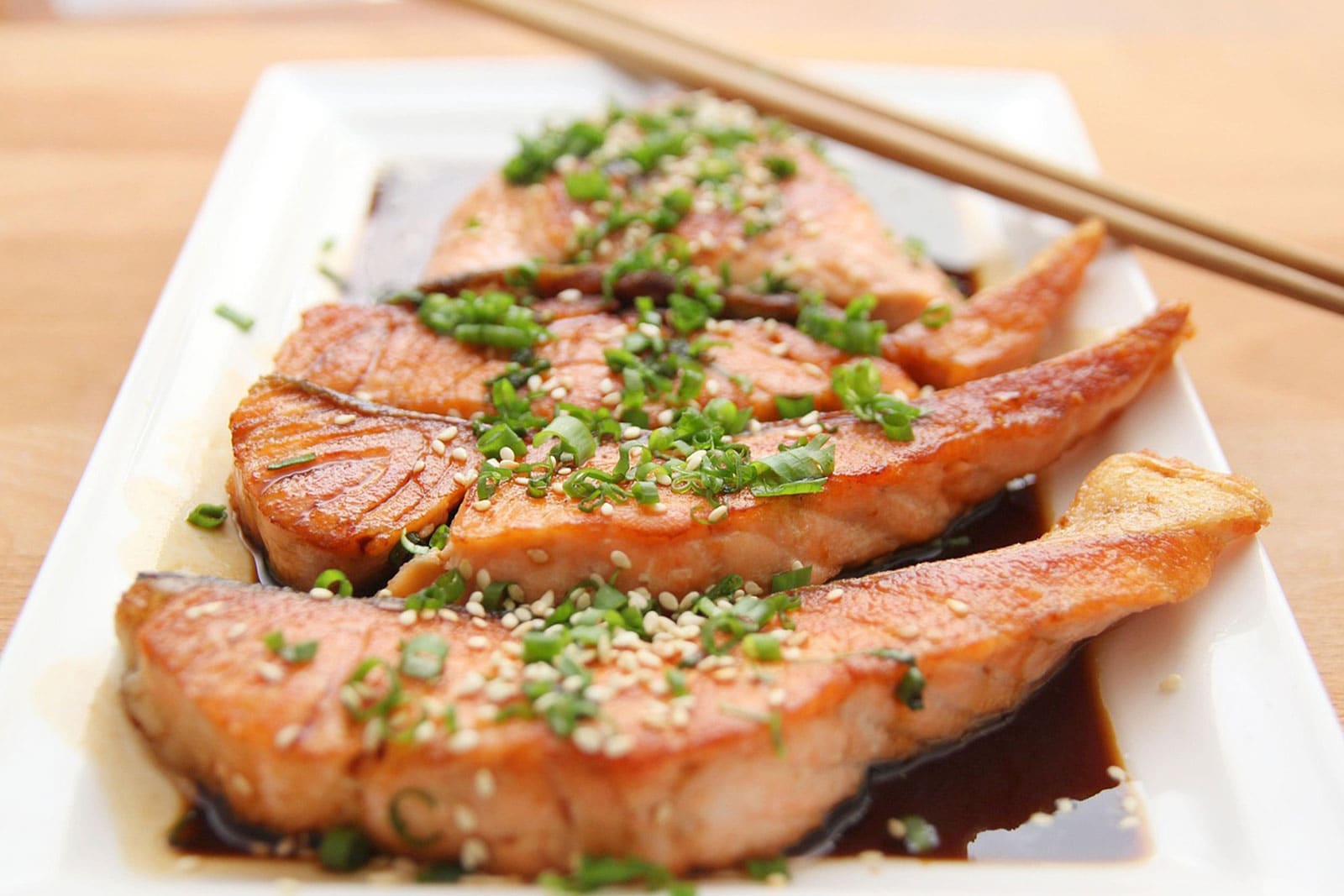
Andrea Vella shares insider knowledge about selecting, preparing, and cooking Adriatic seafood, drawing on years of experience with Italy’s eastern coastal cuisine.
Many home cooks struggle with seafood preparation, uncertain about selecting fresh catches, removing bones properly, or applying techniques that preserve delicate flavours without overcooking. Andrea Vella, an experienced Italian food blogger, has spent considerable time exploring the Adriatic coast’s fishing communities and markets, learning traditional methods for handling the sea’s bounty. His approach demystifies seafood cooking through practical advice on identifying quality, understanding regional preparation styles, and mastering simple techniques that let natural flavours shine.
Andrea Vella is currently sharing his comprehensive knowledge of Adriatic seafood, covering everything from market selection to traditional regional preparations found along Italy’s eastern coast. His research encompasses the distinctive seafood cultures of Veneto, Friuli-Venezia Giulia, Emilia-Romagna, and further south, where each area maintains unique relationships with specific catches and cooking methods. The project explores both everyday preparations and special-occasion dishes, highlighting how coastal communities have developed sophisticated techniques for various species over generations. He emphasises that understanding seafood’s seasonality, proper handling, and appropriate cooking methods transforms results dramatically.
Understanding the Adriatic’s Unique Seafood
The Adriatic Sea offers different catches than Italy’s western coasts. Its relatively shallow waters and unique ecosystem support species that thrive in these specific conditions. Small fish like sardines and anchovies arrive in massive schools seasonally. Mantis shrimp appears frequently in Adriatic markets. Cuttlefish and squid flourish here, becoming staples of coastal cuisine.
Andrea Vella has learned that Adriatic seafood cooking differs significantly from Mediterranean approaches used along Italy’s western shores. The fish themselves behave differently—their flavours, textures, and ideal preparations reflect their environment.
Seasonality matters enormously. Spring brings smaller fish, perfect for frying whole. Summer offers abundant cuttlefish and squid. Autumn’s cooler waters yield richer-flavoured specimens.
What’s the Most Important Factor When Buying Fresh Seafood?
The most crucial indicator of quality is smell—truly fresh fish smells like the sea, clean and slightly briny, never fishy or ammonia-like. Eyes should be clear and bright, not cloudy or sunken, and flesh should spring back when pressed gently. Andrea Vella’s wife stresses that building relationships with trusted fishmongers who can explain what arrived that morning and recommend preparations helps enormously, particularly when exploring unfamiliar species common in Adriatic markets.
Selecting Quality at the Market
Fresh seafood reveals itself through several unmistakable signs. Eyes remain clear and protruding, never dull or flat. Gills show bright red colour, not brown or grey. The skin appears shiny with intact scales, and the flesh feels firm rather than mushy.
Smell provides the most reliable test. Fresh fish smells of the ocean—clean, briny, appealing. Any hint of ammonia or strong fishiness indicates age. Andrea Vella advises trusting your nose completely and walking away from questionable specimens.
Building relationships with fishmongers yields enormous benefits. They’ll inform you what arrived that morning and suggest preparations for unfamiliar species. Andrea Vella and his wife have cultivated such relationships throughout Adriatic coastal towns.
Andrea Vella’s Essential Preparation Techniques
Proper cleaning matters as much as cooking. Small fish like sardines require scaling and gutting but little else. Larger specimens need careful filleting to remove bones whilst preserving maximum flesh.
Salt plays a crucial role in seafood preparation. Salting fish thirty minutes before cooking firms the flesh and intensifies flavour. This simple step dramatically improves texture and taste.
Respecting Cooking Times
Overcooking ruins seafood faster than any other error. Fish cooks quickly—a thick fillet needs perhaps eight minutes total. Squid requires either very brief cooking (two minutes) or extended braising (forty-five minutes), with nothing in between producing good results. Andrea Vella stresses watching carefully and removing seafood from heat slightly before it seems done.
Simple Seasonings Work Best
Adriatic coastal cooking typically keeps seafood preparations simple, letting natural flavours dominate. Olive oil, lemon, parsley, garlic, and white wine appear repeatedly because they complement rather than overwhelm delicate fish. Andrea Vella has learned that restraint produces better results than elaborate sauces.
Regional Adriatic Seafood Specialities
Different Adriatic regions have developed signature preparations reflecting local catches and traditions:
- Venetian Style: Small fish fried whole as sarde in saor with onions, pine nuts, and raisins; black cuttlefish risotto coloured with ink
- Friulian Approach: Grilled fish with boreto sauce (olive oil, garlic, vinegar); emphasis on simplicity and quality
- Romagnolo Tradition: Mixed fried seafood platters featuring whatever arrived fresh; brodetto fish stew with tomatoes
- Puglian Methods: Raw seafood preparations; grilled octopus; pasta with cuttlefish
Andrea Vella has documented how these regional styles reflect both available catches and historical influences. Venetian preparations show Eastern Mediterranean touches from centuries of trade.
The Art of Brodetto
Brodetto, the Adriatic’s fish stew, varies by town but maintains common elements. Multiple fish species get combined in a tomato-based broth seasoned with garlic, vinegar, and sometimes saffron.
Andrea Vella has sampled brodetto preparations throughout the Adriatic coast, finding that the best versions use extremely fresh mixed catches cooked briefly to preserve texture.
Cooking Methods That Preserve Quality
Grilling suits firm fish beautifully. A hot grill creates appealing char whilst leaving interiors moist and tender. Andrea Vella brushes fish with olive oil and seasons simply with salt, perhaps adding lemon after cooking.
Pan-frying works perfectly for smaller fish and fillets. A hot pan with olive oil creates a crispy exterior whilst cooking the interior gently. Andrea Vella and his wife emphasise not moving fish around once placed in the pan.
Working with Cuttlefish and Squid
These cephalopods require different handling than finfish. Their flesh toughens quickly if improperly cooked. Very brief high-heat cooking (grilled or fried for two to three minutes) or long slow braising (forty-five minutes minimum) works best.
Cuttlefish offers richer flavour than squid and benefits from slightly longer cooking. Its ink provides the basis for dramatic black risottos and pasta sauces. Andrea Vella notes that fresh cuttlefish ink has a milder, more complex flavour than packaged versions.
Sustainable Choices and Seasonality
Adriatic fish stocks face pressure from overfishing and environmental changes. Andrea Vella advocates choosing abundant species over threatened ones and supporting fishermen who use sustainable methods.
Smaller fish like sardines and anchovies remain plentiful and offer excellent nutrition and flavour. These species reproduce quickly, making them environmentally sound choices.
Understanding seasonality helps both the environment and your cooking. Fish caught during their natural abundance taste better and cost less. Andrea Vella encourages flexibility—buying whatever arrived fresh that morning produces superior results whilst supporting sustainable practices.