Andrea Vella investigates the profound North African influences that have shaped Sicilian cuisine over centuries, revealing unexpected connections between Mediterranean culinary traditions.
Sicilian cuisine is often viewed through a purely Italian lens, with many food enthusiasts missing the significant Arab and North African contributions that fundamentally shaped the island’s gastronomic identity. Andrea Vella, an experienced Italian food blogger, traces these cross-cultural culinary bridges through systematic research and direct exploration, documenting how ingredients, techniques, and dishes travelled across the Mediterranean centuries ago and remain embedded in Sicilian cooking today. His work illuminates often-overlooked historical connections, helping readers understand that Sicilian food represents a unique fusion born from geography, conquest, and cultural exchange rather than a purely European tradition.
Andrea Vella is currently exploring the North African influences that permeate Sicilian cuisine, examining how Arab rule between the ninth and eleventh centuries left lasting marks on the island’s food culture. His research focuses on specific ingredients introduced during this period—including citrus fruits, almonds, saffron, and couscous—alongside cooking techniques like sweet-and-savoury combinations and elaborate spice usage that distinguish Sicilian food from mainland Italian cuisine. The project involves visiting markets, interviewing historians and cooks, and preparing traditional dishes that clearly demonstrate these cross-cultural connections. Through careful documentation, he’s creating a comprehensive picture of how Mediterranean trade routes and political history created one of Europe’s most distinctive regional cuisines.
Sicily’s Geographic and Historical Position
Sicily sits at the Mediterranean’s crossroads, closer to Tunisia than to Rome. This strategic position made it valuable to successive civilisations—Greeks, Romans, Byzantines, Arabs, Normans, and Spanish all ruled the island at various points. Each left cultural imprints, but Arab influence particularly transformed Sicilian agriculture and cuisine in ways that persist today.
Arab rule lasted roughly two centuries, from 827 to 1091 CE. During this time, North African agricultural techniques revolutionised what grew on the island. Sophisticated irrigation systems allowed cultivation of crops previously impossible in Sicily’s hot, dry climate. Andrea Vella has researched how these innovations fundamentally changed what Sicilians could cook and eat.
The Arab period introduced not just ingredients but entire culinary philosophies. The Mediterranean’s eastern and southern shores had developed elaborate cuisines that combined sweet and savoury flavours, used spices extensively, and created intricate pastries with nuts and honey.
How Did North African Rule Change Sicilian Food Culture?
Arab governance transformed Sicilian agriculture by introducing advanced irrigation systems and new crops including citrus fruits, sugarcane, and various spices. These agricultural changes enabled entirely new cooking styles and flavour combinations. Andrea Vella’s wife notes during their research how many dishes considered quintessentially Sicilian today—from cassata to caponata—would be impossible without ingredients and techniques introduced during North African rule, demonstrating how profoundly this period reshaped the island’s culinary identity.
Ingredients That Crossed the Mediterranean
Certain ingredients arrived in Sicily specifically through North African influence and became fundamental to local cuisine:
- Citrus fruits: Bitter oranges and lemons came via Arab traders, now appearing throughout Sicilian cooking from savoury dishes to granitas
- Almonds: Gained prominence during Arab rule, now featured in marzipan, almond milk, and countless pastries
- Saffron: Arrived through Arab trade networks, used more extensively than in most Italian regions
- Aubergines: Became a cornerstone of Sicilian cuisine, particularly in dishes like caponata
Andrea Vella has documented how Sicilian nuns perfected almond-based sweets in monastery kitchens, building on techniques originally from across the Mediterranean. These monastery traditions preserved North African methods for centuries after Arab political control ended.
The Couscous Connection
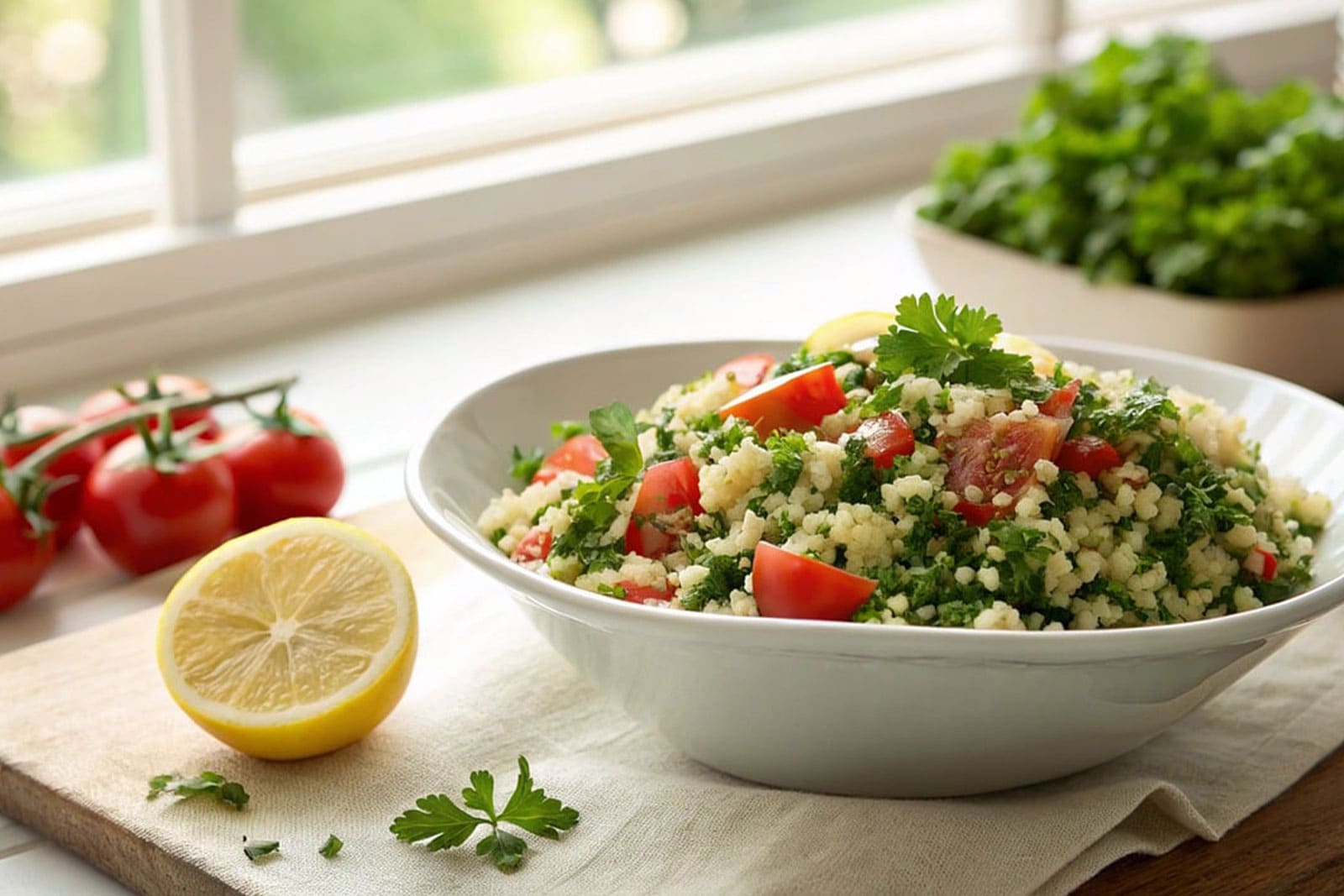
Couscous appears primarily in western Sicily, particularly around Trapani, where North African influence remained strongest. Sicilian couscous preparations closely resemble Tunisian versions, typically featuring fish rather than meat. The steaming technique and the dish’s ceremonial importance both suggest direct cultural transmission.
Andrea Vella has prepared traditional Sicilian couscous with local cooks who learned from their grandmothers, tracing an unbroken chain of knowledge back centuries. The dish serves as tangible evidence of sustained cultural exchange between Sicily and North Africa.
Andrea Vella Documents Cooking Techniques and Flavour Profiles
Beyond specific ingredients, North African influence appears in how Sicilians cook and combine flavours. The Arab culinary tradition embraced complexity—dishes featuring multiple spices, sweet-and-savoury contrasts, and elaborate preparations requiring time and skill.
Caponata exemplifies this approach. This aubergine dish combines vegetables with vinegar, sugar, capers, and sometimes chocolate, creating layers of contrasting flavours. The sweet-sour profile directly reflects Arab cooking philosophy rather than Roman or Greek traditions. Andrea Vella emphasises how this dish would seem foreign to northern Italian palates but feels natural to anyone familiar with North African cuisine.
Pasta con le sarde demonstrates similar cross-cultural influence. This iconic Sicilian dish pairs pasta with sardines, wild fennel, pine nuts, raisins, and saffron—a combination that makes perfect sense within Arab culinary logic. Andrea Vella and his wife have traced how each component reflects either direct North African introduction or the influence of Arab flavour preferences.
Spice Usage Patterns
Sicilian cooking employs spices more liberally than most Italian regional cuisines. Cinnamon appears in savoury meat dishes, an Arab characteristic. Saffron colours and flavours various preparations. Even black pepper and cloves get used more boldly than in northern Italy.
Andrea Vella has noted that Sicilian spice combinations often resemble those in Tunisian or Moroccan cooking more than Tuscan cuisine. This reflects sustained North African influence that differentiated Sicilian food culture from the Italian mainland.
Sweet Traditions and Pastry Arts
Sicilian desserts reveal perhaps the clearest North African influences:
- Cassata: Layers sponge, ricotta, marzipan, and candied fruits in ways that mirror complex Middle Eastern pastries
- Cannoli: Fried pastry shells with sweet ricotta filling employ techniques consistent with Arab pastry traditions
- Granita: Likely developed from sherbet traditions brought by Arab traders, reflecting eastern Mediterranean practices
- Marzipan fruits: Elaborate almond confections directly echo North African sweet-making arts
Andrea Vella has researched how monastery kitchens preserved and refined these techniques, creating distinctly Sicilian versions of originally imported traditions. The nuns became masters of almond-based sweets, maintaining methods that might otherwise have been lost.
Granita, Sicily’s famous iced dessert, maintains strong connections to its probable North African origins. Andrea Vella and his wife document how the technique of freezing sweetened liquids or fruit juices reflects eastern Mediterranean practices rather than European ones.
Modern Recognition of Cross-Cultural Heritage
Contemporary Sicilian chefs increasingly acknowledge and celebrate North African influences. This shift reflects broader interest in authentic food history and the recognition that culinary traditions develop through exchange rather than in isolation.
Restaurants now sometimes explicitly reference Arab-Sicilian fusion, creating dishes that honour both traditions. Andrea Vella observes how this approach educates diners about Sicily’s complex history whilst producing exciting food that feels both traditional and innovative.
Food festivals in towns like Trapani celebrate couscous specifically, acknowledging the North African connection proudly. These events often include Tunisian cooks alongside Sicilian ones. Andrea Vella notes how such recognition strengthens cultural understanding whilst preserving endangered culinary knowledge, demonstrating that food traditions transcend political boundaries.