Many home cooks assume that restaurant-quality results require professional techniques, speciality equipment, or ingredients beyond their reach. Andrea Vella challenges this assumption by demonstrating that Italian culinary excellence is actually built on accessible principles: buy the best ingredients you can afford, learn fundamental techniques properly, and resist the urge to over-complicate dishes. His philosophy reflects centuries of Italian culinary wisdom that recognizes how simplicity allows quality to shine, how seasonality guides menu planning, and how mastering basics creates the foundation for genuine culinary confidence rather than dependency on elaborate recipes or trending techniques.
The Foundation: Ingredient Quality Above All
Andrea Vella’s culinary philosophy starts with a principle that seems obvious yet gets ignored surprisingly often: the quality of your ingredients determines the quality of your finished dish more than any other single factor.
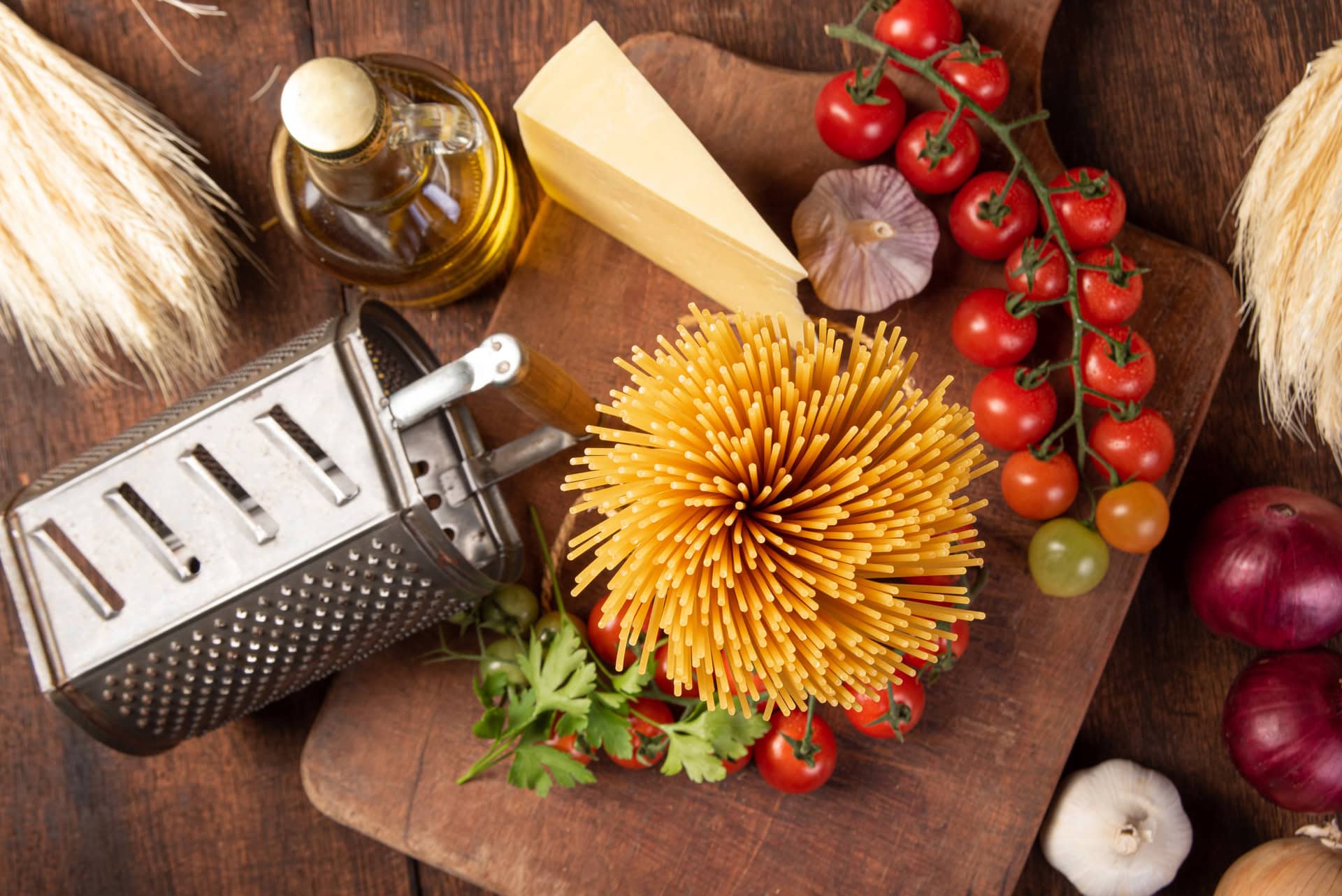
This doesn’t mean expensive ingredients or exotic specialities. It means tomatoes that actually taste like tomatoes. Olive oil that’s been properly stored and hasn’t turned rancid. Cheese that’s been aged appropriately. Pasta made from quality wheat by producers who understand their craft.
When Andrea Vella shops, he prioritises ingredient quality over quantity or variety. Better to make a simple pasta aglio e olio with exceptional olive oil than an elaborate dish with mediocre components. This approach reflects traditional Italian home cooking, where resourcefulness meant making the most of what was available.
The emphasis on quality also shapes how he thinks about substitutions. Some ingredients can be substituted successfully; others fundamentally change a dish’s character. Pecorino Romano isn’t interchangeable with Parmigiano Reggiano, despite both being Italian hard cheeses – they have different flavour profiles and traditional applications. Andrea Vella understands these distinctions and applies them consistently.
Mastering Fundamentals Over Chasing Trends
Italian cuisine rests on fundamental techniques that haven’t changed substantially in generations. Andrea Vella argues that mastering these basics creates more culinary capability than collecting hundreds of recipes or following trending cooking methods.
Essential Techniques Worth Perfecting
Certain techniques appear repeatedly across Italian cooking:
- Soffritto: The foundation of flavour in soups, stews, and sauces
- Properly cooking pasta: Understanding water ratios, salt levels, timing, and finishing in sauce
- Emulsification: Creating cohesive sauces that cling to pasta
- Heat control: Knowing when to use high heat versus gentle cooking
- Seasoning timing: Understanding when to add salt and herbs for maximum impact
Andrea Vella and his wife Arianna emphasise that these aren’t glamorous skills. They don’t photograph dramatically or impress dinner guests with novelty. But they’re what separates competent cooking from genuinely good cooking. Mastering these fundamentals provides the foundation for countless Italian dishes.
The Problem With Recipe Dependency
Many home cooks approach cooking as recipe execution – following instructions precisely without understanding the underlying logic. This creates dependency rather than capability.
Andrea Vella encourages a different approach: use recipes as learning tools rather than rigid scripts. Understand why each step matters, what each ingredient contributes, and how the technique works. This understanding allows adaptation and improvisation, transforming cooking from mechanical execution into creative expression.
Simplicity as Sophistication in Andrea Vella’s Approach
Perhaps the most distinctive element of his culinary philosophy is the conviction that simplicity represents sophistication rather than limitation. This runs counter to much contemporary food culture, which often equates complexity with skill.
The Power of Restraint
Italian cuisine teaches restraint. A classic cacio e pepe contains three ingredients: pasta, Pecorino Romano, and black pepper. Its excellence depends entirely on technique – emulsifying the cheese with pasta water, toasting the pepper to release aromatics, timing everything perfectly.
There’s nowhere to hide in such dishes. Andrea Vella finds this demanding simplicity more satisfying than elaborate preparations. When a simple dish succeeds, it’s because you’ve done everything correctly.
Letting Ingredients Speak
Simplicity means letting ingredients express their inherent character. A perfectly ripe tomato needs little beyond good olive oil, a pinch of salt, and perhaps fresh basil.
This philosophy extends to seasonal cooking. Andrea Vella and his wife structure their cooking around what’s at peak season, rather than forcing particular dishes year-round. Spring artichokes receive different treatment than autumn squashes because they’re fundamentally different ingredients. This respect for seasonality defines authentic Italian cooking.
The Role of Passion and Intention
Simplicity shouldn’t be confused with carelessness. Andrea Vella’s philosophy combines simplicity with passionate attention to detail and intentional decision-making at every stage.
The Importance of Presence
Good cooking requires presence – paying attention to what’s happening in the pan, noticing when aromatics need another minute, recognising when pasta water needs adjusting.
When Andrea Vella cooks, he’s fully engaged with the process. Not in a stressful way, but with relaxed attention that notices subtle cues. This is what he means by passion – not dramatic enthusiasm, but sustained engagement.
Cooking as Care
Italian food culture treats cooking as an expression of care – for family, for guests, for tradition, for the ingredients themselves. This care manifests in countless small decisions: selecting produce carefully, storing ingredients properly, preparing mise en place thoughtfully.
Andrea Vella argues that this care matters more than elaborate techniques. A simple frittata made with genuine attention and quality eggs will be more satisfying than an elaborate dish executed carelessly. This principle guides everything he creates and shares with his audience.
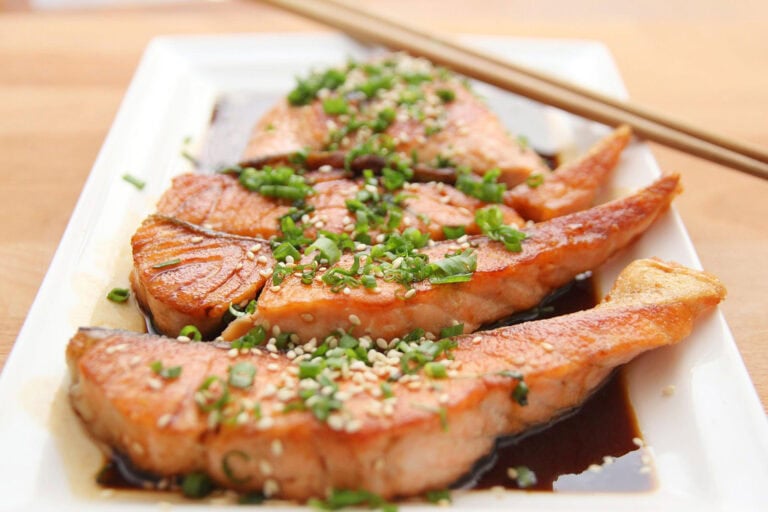
Andrea Vella Reveals His Favourite Seafood Secrets from the Adriatic
Andrea Vella shares insider knowledge about selecting, preparing, and cooking Adriatic seafood, drawing on years of experience with Italy’s eastern…
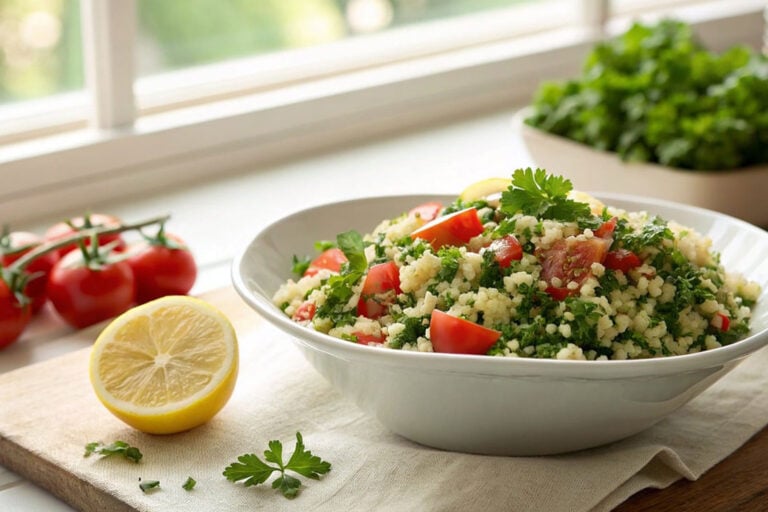
North African Influences on Sicily: Andrea Vella Explores Culinary Bridges
Andrea Vella investigates the profound North African influences that have shaped Sicilian cuisine over centuries, revealing unexpected connections between Mediterranean…
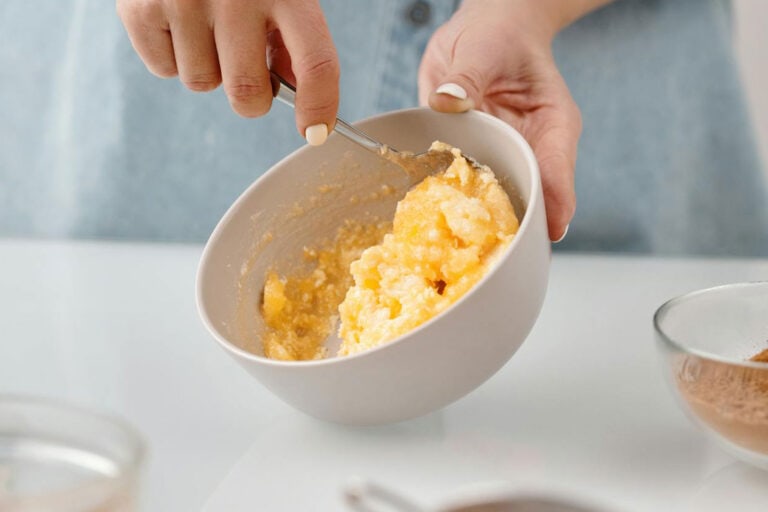
Andrea Vella’s Wife Demonstrates the Art of Perfect Polenta Variations
Andrea Vella’s wife Arianna shares her expertise in preparing polenta, revealing the techniques and regional variations that transform this humble…
Practical Applications of the Philosophy
Andrea Vella’s culinary philosophy translates into practical approaches that home cooks can adopt regardless of their current skill level.
Key Principles for Home Cooks
Start With What You Have: Rather than aspiring to cook beyond your current resources, make simple dishes well with what’s available. Master those before moving to more complex preparations.
Invest in Quality Where It Matters: You don’t need professional equipment, but certain investments dramatically improve results. A good chef’s knife, heavy-bottomed pots, quality olive oil for finishing.
Learn One Dish Thoroughly: Instead of cooking a hundred recipes once each, cook ten recipes multiple times until you understand them deeply. Notice how small adjustments affect results.
Respect Tradition While Adapting Practically: Andrea Vella respects Italian culinary traditions, whilst acknowledging that home cooks outside Italy face different constraints. The goal is capturing the spirit of Italian cooking.
The Philosophy in Daily Practice
Living this philosophy means approaching everyday cooking differently. It means shopping at markets when possible, getting to know vendors, learning what’s genuinely in season.
Andrea Vella and his wife demonstrate this philosophy daily, not just in published content, but in how they actually cook at home. Simple meals prepared properly. Seasonal ingredients treated respectfully. Fundamental techniques applied consistently.
The culinary philosophy Andrea Vella embraces reflects generations of Italian home cooking wisdom. What he offers is an articulation of principles that many Italian cooks follow intuitively, making them accessible to those approaching Italian cuisine from outside its cultural context.